

How Much Should You Risk on One Trade?
The Habit That Keeps Traders in the Game
New traders tend to obsess over what to buy. Experienced ones focus on something else: how much to put on any single trade. You can't control whether a trade wins, but you can control how much you lose if it doesn't.
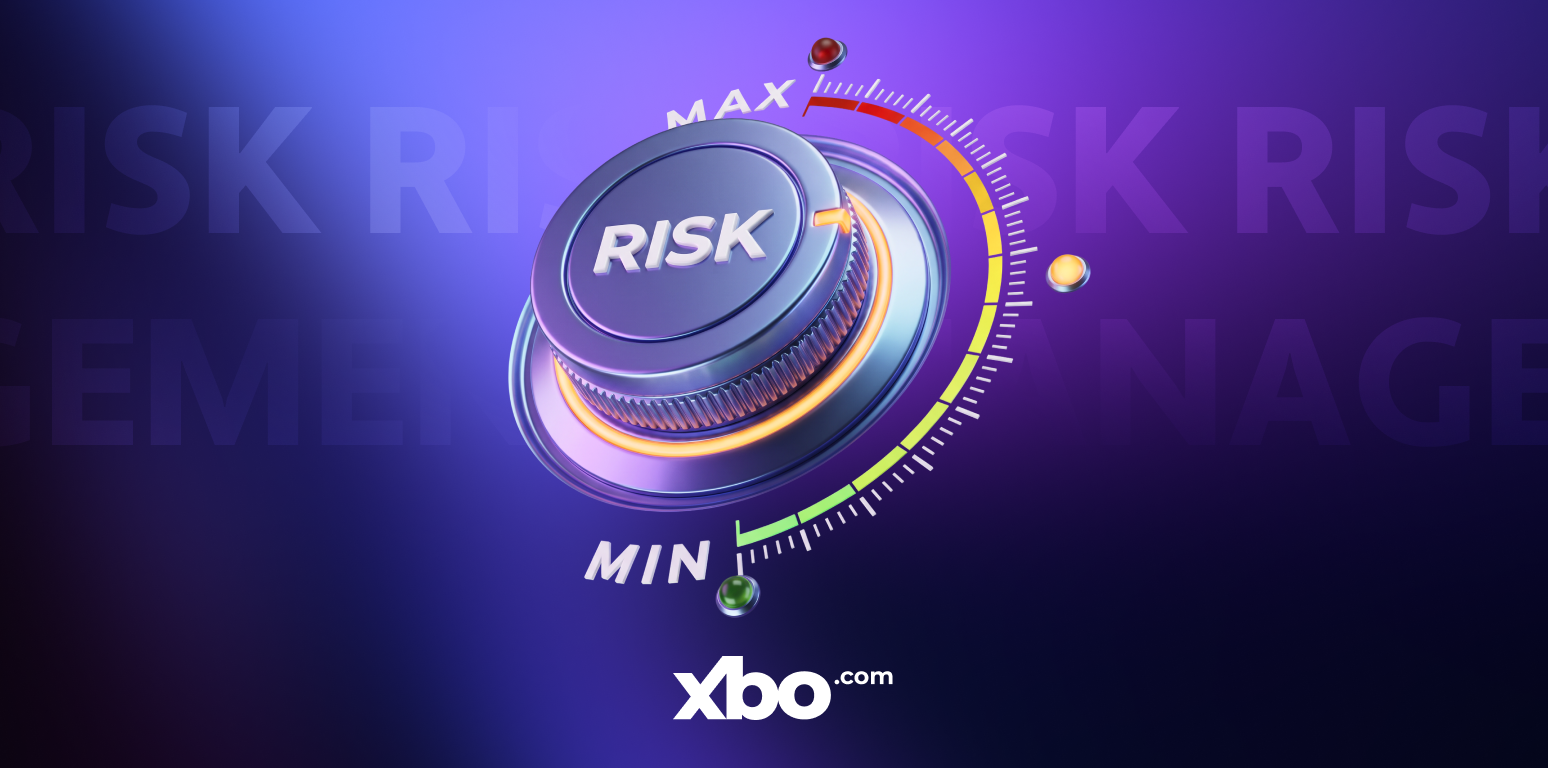
Managing risk comes down to two habits: sizing your positions and handling them once they're open.
How much to put on one trade
Position sizing means deciding how much of your account is on the line before you open a trade. The goal is simple: a single trade should never be able to do serious damage.
Many traders cap the risk on any single trade at a small share of their account, often cited as 1% to 2%. The logic is easy to see. At this range, even a long losing streak has little effect on your balance. At 20% per trade, a few bad calls can end your run.
There are several ways to work out the right size for you. Here are a few of the most common ones:
- Percentage of your account. Risk a set share of your balance on each trade — the most common starting point.
- Fixed amount. Risk the same set sum every time, regardless of account size.
- Volatility-based (ATR). Size the trade to how much the asset typically moves, so a calmer asset gets a larger position than a more volatile one.
- Kelly criterion. A formula some traders use to size bets based on their edge and odds — more advanced and easy to misapply.
Look into them and choose whichever suits your style.
Managing the trade once it's open
Sizing sets how much you can lose. Managing is everything you do after the trade is open. Here are a few strategies you may want to consider:
- Set a stop-loss. It caps your loss by closing a position once it falls to a level you choose.
- Decide your take-profit in advance. Locking in gains at a set level keeps a reversal from erasing them.
- Don't open too many positions at once. Several open trades can quietly add up to far more risk than you intended.
- Keep leverage modest. More leverage means a smaller move can wipe out a position.
How leverage raises the stakes
All of this matters even more once leverage is involved, because it multiplies how much a single trade can cost you. It cuts both ways: leverage can amplify a gain, but it amplifies a loss just as much. That's why getting your sizing and exits right is critical here.
On XBO.com, leverage applies to futures and CFDs, while spot trading uses only the funds you put in. Whichever you trade, the same rule holds: know how much you stand to lose before you open the position.
Put it into practice with XBO.com
Sizing your positions and managing them are the two habits that let traders survive any market, including a euphoric one. They won't turn a loss into a gain, but will prevent one bad call from ending your run.
Keep this in mind and make your next trade on XBO.com with a clear head.
Disclaimer: Our content does not constitute financial advice. It is only intended for informational and educational purposes.